The 20th Franco-Japanese Symposium on Oceanography ended in Toba on Sunday, 30 November 2025.
A very good vintage, the result of an excellent organisation and a high attendance at the event.
The French Japanese Society of Oceanography in Japan, in close collaboration with the French Japanese Society in France, the Fisheries Research and Education Agency Japan, the National Institute of Technology Toba and the city of Toba, made this international event a moment of exchange, conviviality and Franco-Japanese friendship.
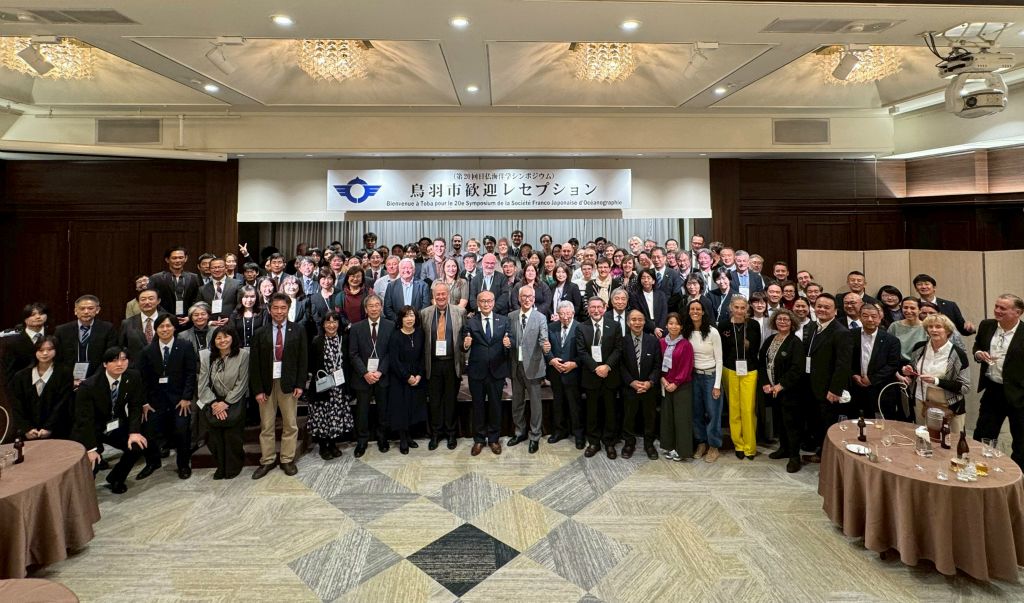
Many international institutions, research organisations, universities and industrial partners were present.
Following the 19th Franco-Japanese Symposium held in Caen in November 2023, this international event provides a new opportunity for discussion and synthesis of the work carried out under the memorandum of understanding signed between IFREMER and the Fisheries Research and Education Agency Japan. Dr Ichiro Nakayama, President of FRA Japan, gave an overview of the history of this cooperation agreement and its thematic development. From 2022 onwards, seven areas of cooperation have been defined: coastal ecosystems and bivalve production, sustainable aquaculture, diseases and toxic algal blooms, marine genomics, bycatch and bio-logging, and fisheries ecology.
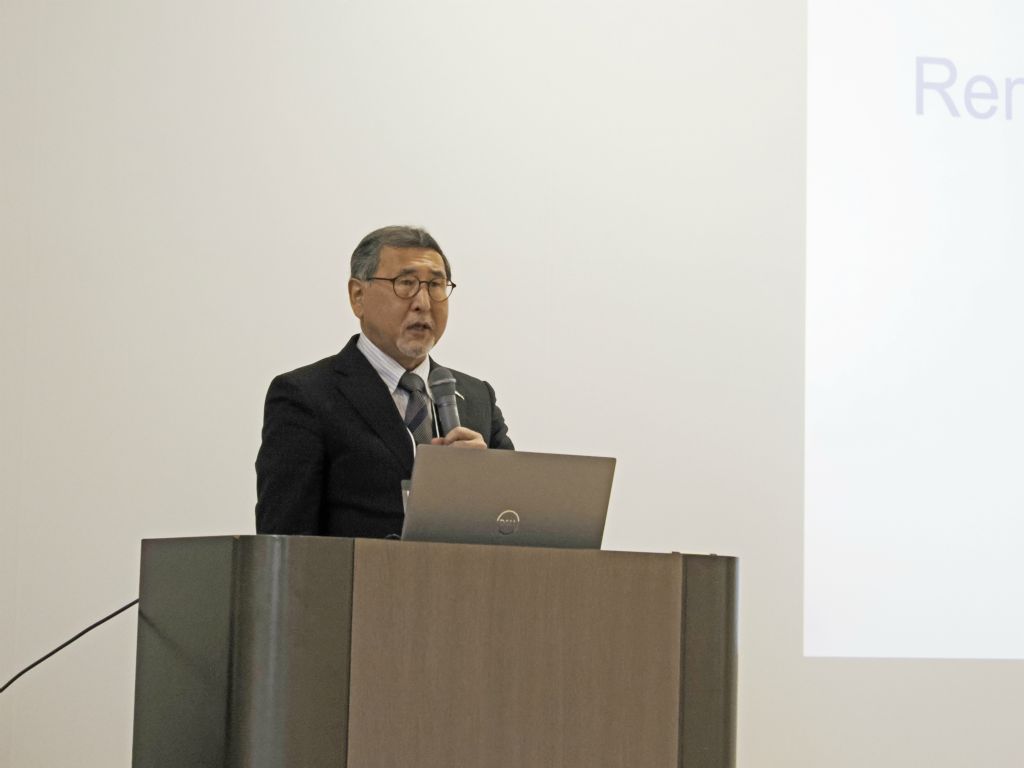
Another international organisation present since the Franco-Japanese Symposium in Bordeaux in 2017 is the International EMECS Centre. In 2017, Professor YANAGI, one of the founders of the Sato-umi concept in Japan, which has now been adopted by many researchers, was present, as was the director of the Satoumi Research Institute, Mr Takehiro Tanaka. In 2023, at the 19th Franco-Japanese Symposium in Caen, EMECS Vice-President Professor MATSUDA was attending as co-organiser of the event and co-editor of the proceedings of the 19th symposium, published by Springer. In 2025, EMECS was back in Toba, and we also wish to involve it in the 21st Franco-Japanese Symposium, which will take place in France in 2027.
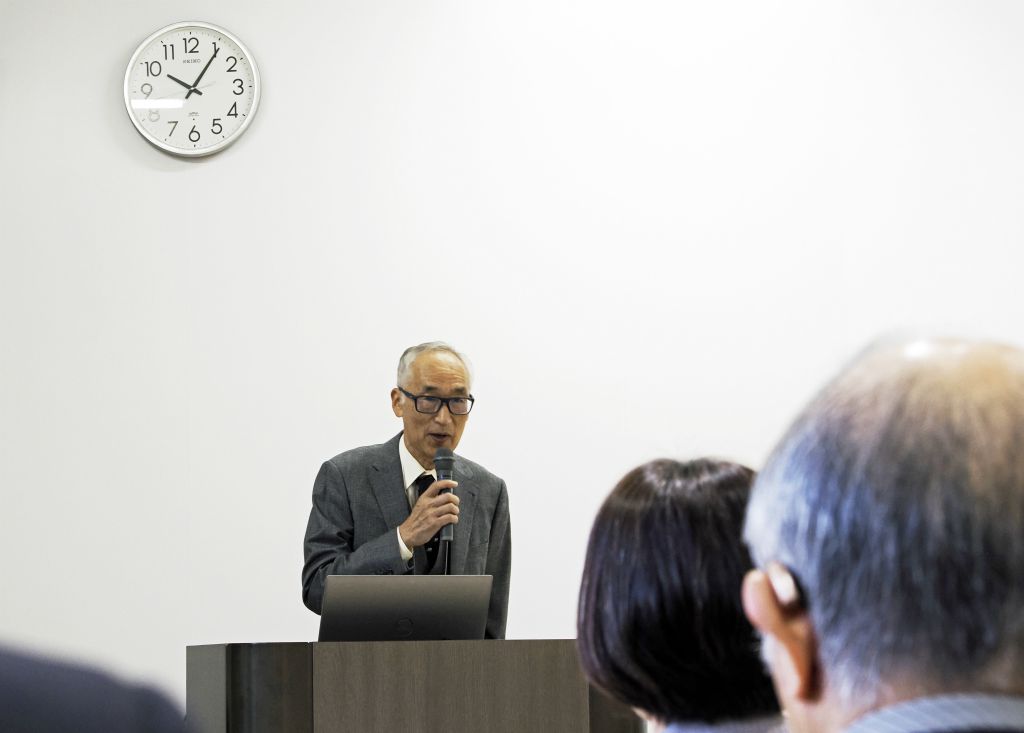
Another organisation that has constantly been involved in supporting both the Japan and France SFJOs is the Sasakawa Peace Foundation. Whether through its Paris or Tokyo offices, the Sasakawa Peace Foundation has been a key supporter of the efforts of both SFJOs for many years. This promotes cooperation between Japan and other countries in order to define a new form of ocean governance, which is a key concern for both SFJOs, as evidenced by the numerous symposium proceedings published by our two societies.
The Ocean Policy Research Institute (OPRI), which joined the Sasakawa Peace Foundation in 2015, also participated in the 20th symposium. This institute, chaired by Professor Mitsutaku Makino of the University of Tokyo, has research and action themes that are similar to those developed by the two SFJOs, but on a broader scale and within a wider institutional framework, such as the blue economy, sustainable/responsible management and exploitation of the oceans and, more generally, aquatic environments, environmental education, etc.
A special session organised by OPRI provided a broader view of environmental governance at the regional sea level, with a comparative approach between East Asia and the Mediterranean Sea. This perspective, characterised in particular by the 17 Sustainable Development Goals (SDGs) defined by the United Nations, can be used to refine the classification of actions developed at different scales under the name ‘Satoumi/Satoyama’ and thus make the link between ‘ act locally and think globally’.
EDF Power Solutions also participated in this symposium, as it had done at the University of Caen Normandy, notably through its contribution to Theme 5, ‘Offshore Wind Farm’, on a subject that is important in both Japan and France: ‘How EDF Power Solutions has coordinated with fishermen and other stakeholders of coastal waters in France’, presented by Jean-Philippe Pagot. This topic will also be addressed at the 21st Franco-Japanese Oceanography Symposium in France in 2027.
The French Embassy in Japan was also present. These Franco-Japanese and, more broadly, international events are supported by the French Embassy in Japan and the Japanese Embassy in France. This gives our two Oceanography Societies a legitimacy that has been historically acquired through the joint efforts of Professors Louis FAGE and Tadayoshi SASAKI.
A large French delegation with a wide range of presentations.
French participation was significant, with a total of 30 papers presented, including three at the seminar organised prior to the conference (on 22 November) by the Maison Franco-Japonaise in Tokyo. This significant participation was partly due to the attendance of UMR MARBEC, IFREMER, CNRS and the University of Caen – Normandy, but the members of the SFJO (executive committee and scientific committee) were also very active, presenting 14 papers (oral and poster presentations). See the series of abstracts: Abstracts of papers presented at the Toba Symposium are now available online. – SFJO
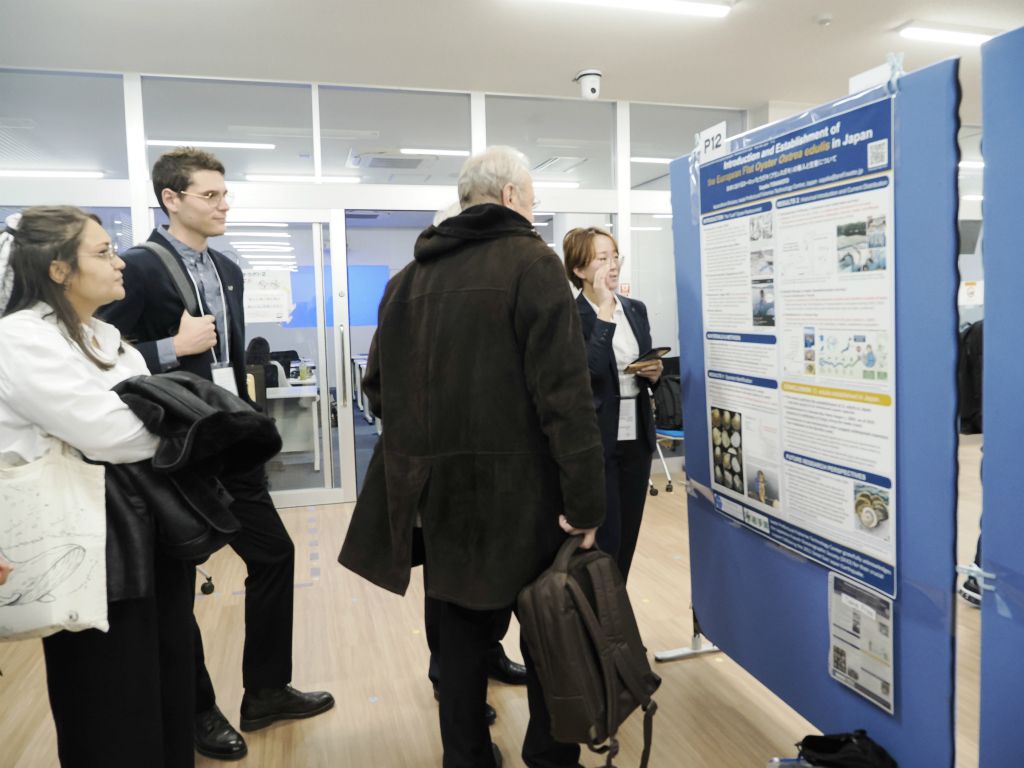
Key points to consider
- Strong participation by young researchers, some from France;
- Strengthening ties with internationally recognised organisations: Ocean Policy Research Institute, International EMECS Centre, Sasakawa Peace Foundation, Okinawa Institute of Science and Technology, while maintaining our links with French and Japanese universities and major research organisations: IFREMER, CNRS, Fisheries Research and Education Agency Japan, MNHN, IRD;
- A ‘Nature and Culture’ project that is taking shape and reinforcing the unique position that both societies wish to occupy: a cross-disciplinary approach involving all stakeholders in a responsible approach to the management, restoration and exploitation of living resources and their environment, highlighting the link between nature and culture in order to integrate tangible and intangible heritage as defined by the concepts of: Sato-yama, Sato-umi and Umigyo;
- However, this project must not overshadow our role as scientific mediators, particularly in terms of better explaining the physical and biogeochemical mechanisms underlying climate change and the adaptation of animal and plant communities to change;
- A strengthening of the theme of ‘Environmental Education’, illustrated by the visit of the teacher from the Maritime High School of Sète (Stéphane Petit) and the teacher from Sanyo Gakuen High School (Takashi Inoue). The Paul Bousquet Maritime High School in Sète will be a partner in the organisation of the 2027 Franco-Japanese symposium and meeting.
- A continuing partnership with wind energy producers, in particular EDF Power Solutions, which was present in Caen and then in Toba and will also be present in Sète (email exchanges with Mr A. Olszak – EDF Power Solutions Japan).
- Ongoing partnership with Springer Verlag for the dissemination of our work, which has reached a very significant number given the nature of the publications (nearly 190,000 downloads per chapter for the five publications published by Springer). The editorial committee of the Toba Symposium has decided to continue this partnership with Springer for the dissemination of some of the papers.
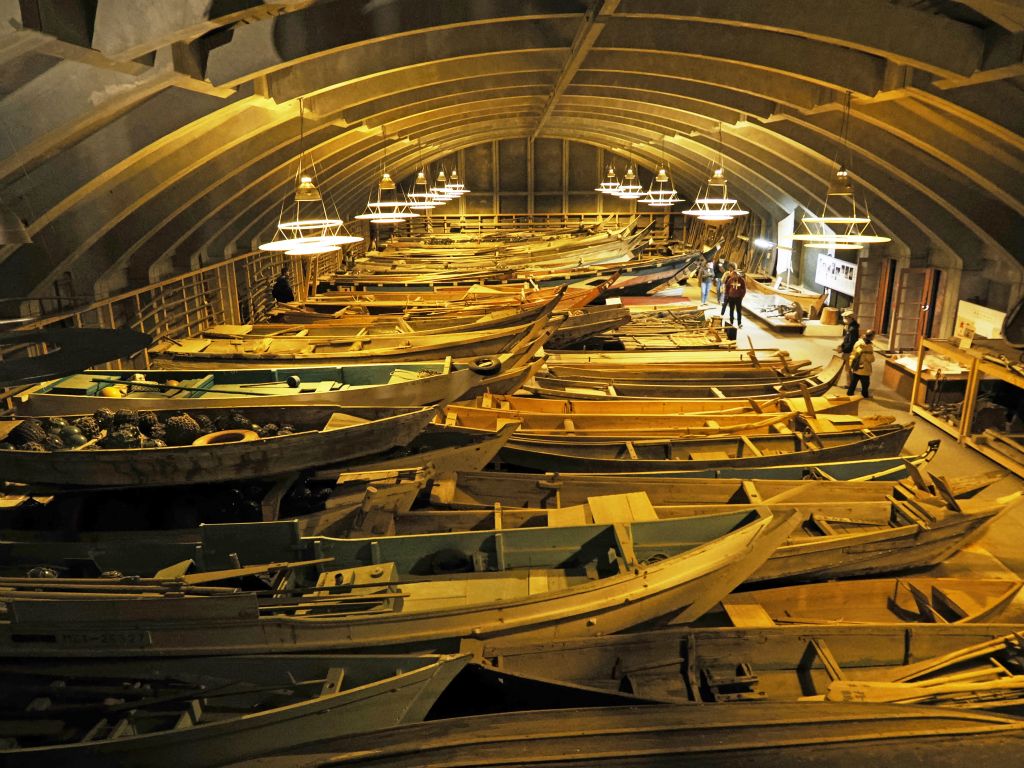
At the end of 2027, the 21st Franco-Japanese Symposium on Oceanography will be held in Sète.
Goodbye Toba, hello Sète. For Toba, this is only a temporary farewell, and we hope to welcome the city of Toba to Sète.
Now we must organise the 21st symposium. The two SFJOs, France and Japan, will work on this with their various French and Japanese partners. The supporting scientific structure will be UMR MARBEC, a joint research unit whose ‘purpose is to produce and disseminate knowledge, train scientists and provide expertise in the field of marine biodiversity and its uses, mainly in the Mediterranean and tropical marine ecosystems’.
This event will also be organised with traditional professional stakeholders: fishermen, oyster farmers and shellfish farmers, and more broadly with stakeholders in the blue economy, as well as with teachers, so that future generations are prepared for the challenges of adapting to global change, both in France and Japan.
Just for fun!
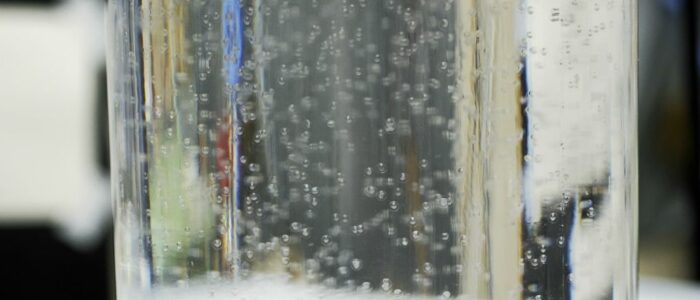
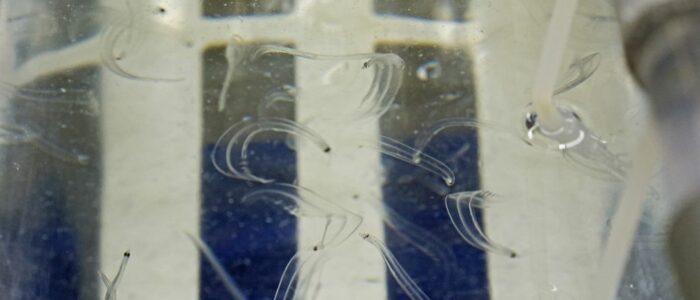
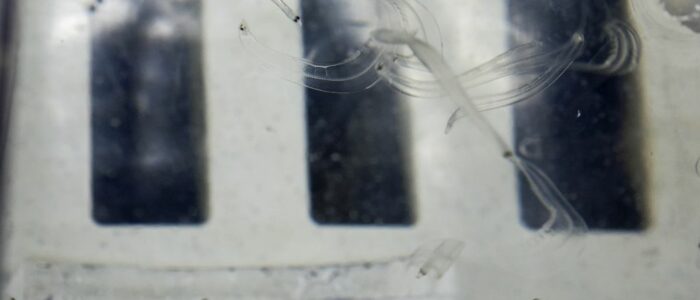
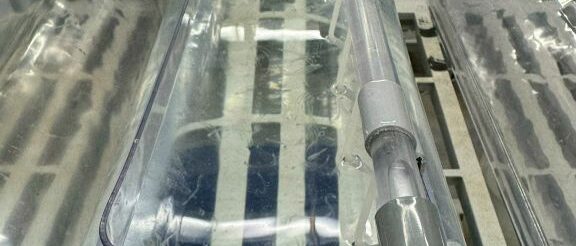
It is not common to see Japanese eel (Anguilla japonica) eggs and leptocephali. This is what we discovered at the Fisheries Research and Education Agency station near the city of Toba.